
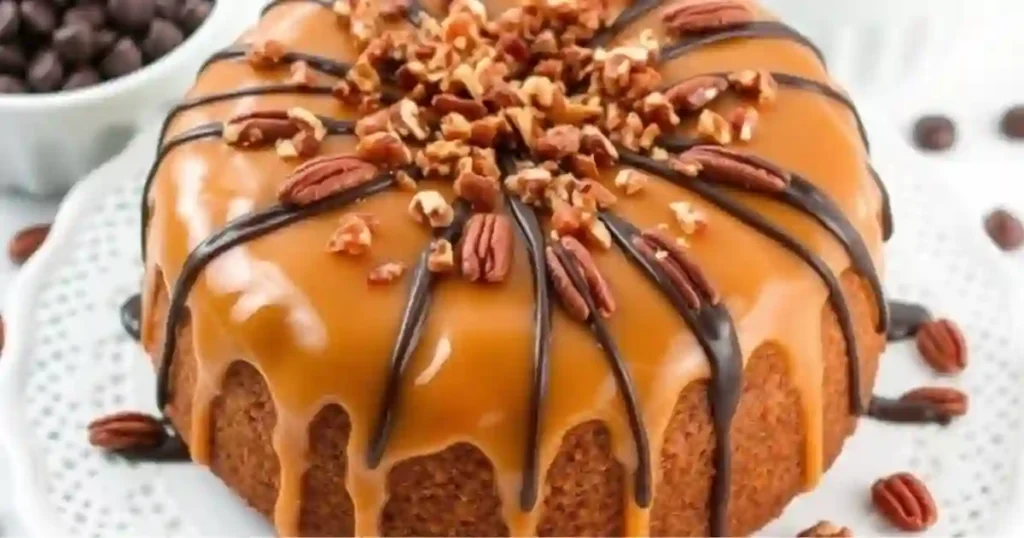
Turtle Cheesecake Recipe with Caramel, Chocolate, and Pecans
If you are searching for the best turtle cheesecake recipe, you are probably craving something unapologetically rich, deeply comforting, and a little dramatic in the best way. Turtle cheesecake brings together three flavors that rarely disappoint chocolate, caramel, and pecans and wraps them in a smooth, bakery-style cheesecake that feels special without being unapproachable. This is the kind of dessert people remember at holidays, birthdays, or special dinner gatherings.
Cheesecake can feel intimidating due to water baths, cracks, and long chilling times. That hesitation is exactly why this turtle cheesecake recipe exists. It is built to be reliable, structured, and forgiving, while still delivering that dense, creamy texture and layered flavor people expect from a professional bakery. Nothing fancy for the sake of being fancy just smart technique and good ingredients used the right way.
Why You’ll Love This Recipe & How It Works
This recipe focuses on balance. The caramel is rich but not overpowering. The chocolate adds depth instead of bitterness. The pecans bring crunch and warmth without turning the whole thing into a candy bar. And the cheesecake itself is smooth, lightly tangy, and sturdy enough to slice cleanly.
The secret comes down to ingredient chemistry, not tricks:
- The Binding Agent: Mashed full-fat cream cheese and room-temperature eggs hold the filling together smoothly during baking, eliminating air pockets.
- The Heavy Lifting: The pecans and graham crackers form a sturdy base that anchors the moisture from the caramel and chocolate layers, preventing a soggy bottom.
Every layer has a purpose, which matters more than most recipes admit.
You might be planning this turtle cheesecake for a holiday table, or maybe you are just tired of desserts that look great but taste forgettable. Either way, this guide walks you through the process step by step, explains why each part matters, and helps you avoid the common mistakes that lead to cracked tops or dense centers. You will also find practical tips, simple variations, and answers to the questions people usually end up Googling halfway through baking.
Take your time with this one. Cheesecake rewards patience. By the end, you will have a turtle cheesecake that looks impressive, tastes indulgent, and feels worth every minute you put into it.
Turtle Cheesecake Recipe
Ingredients
Chocolate Crust
- 24 cookies chocolate sandwich cookies, finely crushed
- 4 tablespoons unsalted butter, melted
Cheesecake Filling
- 24 ounces cream cheese, softened
- 1 cup granulated sugar
- 3 large eggs, room temperature
- 1 teaspoon vanilla extract
- 1 cup sour cream
Turtle Toppings
- 1 cup caramel sauce store-bought or homemade
- 1 cup chocolate chips, melted
- 1 cup pecans, toasted and chopped
Instructions
- Preheat the oven to 325°F (160°C). Lightly grease a 9-inch springform pan.
- Combine crushed chocolate cookies with melted butter. Press firmly into the bottom of the pan. Bake for 10 minutes and let cool.
- In a large bowl, beat cream cheese and sugar until smooth and creamy.
- Add eggs one at a time, mixing on low speed after each addition.
- Mix in vanilla extract and sour cream until fully combined.
- Pour the cheesecake batter over the cooled crust and smooth the top.
- Bake for 60–70 minutes, until edges are set and the center slightly jiggles.
- Turn off the oven, crack the door, and allow the cheesecake to cool inside for 30 minutes.
- Cool completely, then refrigerate for at least 4 hours or overnight.
- Before serving, drizzle with caramel sauce and melted chocolate, then sprinkle with toasted pecans.
Notes
able of Contents
Table of Contents
Recipe Ingredients Overview
The quality of a turtle cheesecake depends heavily on the ingredients you choose. Each component plays a vital role in texture, flavor balance, and structure, so it helps to understand your shopping list before starting.
Turtle Cheesecake Ingredients Table
| Crust Layer | Creamy Cheesecake Filling | Caramel & Ganache Toppings |
| • 1.5 cups Graham cracker crumbs • 1/2 cup finely chopped pecans • 2 tbsp Granulated sugar • 6 tbsp Unsalted butter (melted) | • 32 oz Full-fat cream cheese (softened) • 1/2 cup Light brown sugar • 1/2 cup Granulated sugar • 4 Large eggs (room temperature) • 1/2 cup Sour cream or heavy cream • 1 tsp Vanilla extract | • Caramel: 1 cup sugar, 6 tbsp butter, 1/2 cup heavy cream • Ganache: 4 oz semi-sweet chocolate, 1/2 cup heavy cream • 1/2 cup Chopped pecans (for garnish) |
Crust Ingredients
- Graham cracker crumbs
- Finely chopped pecans
- Granulated sugar
- Unsalted butter, melted
The crust sets the foundation for the entire cheesecake. Graham crackers provide sweetness and structure, while pecans add a subtle nuttiness that reinforces the turtle flavor from the very first bite. Using melted butter helps the crust hold together firmly once baked, which is important when layering caramel and chocolate on top. Press the crust evenly and firmly into the pan to avoid crumbling later.
Cheesecake Filling Ingredients
- Full fat cream cheese, softened
- Brown sugar
- Granulated sugar
- Eggs, room temperature
- Sour cream or heavy cream
- Vanilla extract
Cream cheese is the backbone of this turtle cheesecake, and full fat is not optional here. Lower fat versions introduce too much moisture and can lead to a dense or grainy texture. Brown sugar adds a deeper, caramel-like sweetness that pairs naturally with the topping flavors. Room temperature eggs blend more smoothly, which helps prevent overmixing and air pockets.
Caramel Sauce Ingredients
- Granulated sugar
- Unsalted butter
- Heavy cream
Homemade caramel is one of the defining elements of turtle cheesecake. It delivers a richness that store-bought versions often lack. The key is patience. Let the sugar melt fully before adding butter, and add the cream slowly to avoid separation. The finished sauce should be thick but pourable, not stiff or candy-like.
Chocolate Ganache and Toppings
- Semi sweet chocolate
- Heavy cream
- Chopped pecans
Ganache adds depth and contrast to the sweetness of the caramel. Semi sweet chocolate works best because it balances richness without overwhelming the cheesecake. The pecans on top are not just decorative. They add texture and bring the classic turtle candy feel full circle.
Before moving on, double check that all refrigerated ingredients are fully softened and measured. Cheesecake is far more forgiving when everything starts at the same temperature.
How to Make Turtle Cheesecake Step by Step
See how to make this recipe in the video below.
This section walks you through the turtle cheesecake recipe from start to finish in a clear, practical way. Take it one stage at a time and resist the urge to rush. Cheesecake is less about speed and more about control, especially when you are working with caramel and layered fillings.
Step 1: Prepare the Homemade Caramel Sauce
Start by heating granulated sugar in a medium saucepan over medium heat. Stir gently as it melts and turns amber in color. Once fully melted, add the butter and stir until smooth. Slowly pour in the heavy cream while stirring continuously. The mixture will bubble, which is normal. Continue stirring until the caramel becomes smooth and slightly thickened.
Remove from heat and allow the caramel sauce to cool slightly. Set aside. You will use this in layers, so do not refrigerate it yet.
Step 2: Make the Pecan Graham Cracker Crust
Preheat your oven to 325 degrees Fahrenheit. Combine graham cracker crumbs, chopped pecans, sugar, and melted butter in a bowl. Mix until the texture resembles wet sand.
Press the mixture firmly into the bottom of a 9 inch springform pan. Bake for about 10 minutes, then remove and let it cool while you prepare the fillings. This brief bake helps the crust hold together once the cheesecake is assembled.
Step 3: Add the First Caramel Layer
Pour a thin, even layer of caramel sauce over the cooled crust. Sprinkle a small amount of chopped pecans on top. This creates a flavor base that anchors the rest of the turtle cheesecake.
Place the pan in the refrigerator for a few minutes to help the caramel set slightly before adding the next layer.
Step 4: Prepare and Add the Chocolate Ganache
Heat heavy cream until just beginning to steam, then pour it over the chopped chocolate. Let it sit for a minute, then stir until smooth. Spread the ganache gently over the caramel layer, working carefully to keep layers distinct.
Return the pan to the refrigerator briefly while you prepare the cheesecake filling.
Step 5: Make the Cheesecake Filling
Beat softened cream cheese until smooth, scraping down the sides as needed. Add brown sugar and granulated sugar and mix until fully combined. Blend in sour cream or heavy cream and vanilla extract. Add eggs one at a time, mixing on low speed just until incorporated.
Overmixing introduces air, which can cause cracks later. Stop as soon as the batter looks smooth.
Step 6: Assemble and Bake the Cheesecake
Pour the cheesecake filling over the layered crust. Place the springform pan into a larger roasting pan. Fill the outer pan with hot water halfway up the sides to create a water bath.
Bake for about 1 hour to 1 hour 15 minutes. The center should still jiggle slightly when done. Turn off the oven, crack the door, and let the cheesecake cool gradually for about an hour.
Step 7: Cool, Chill, and Finish
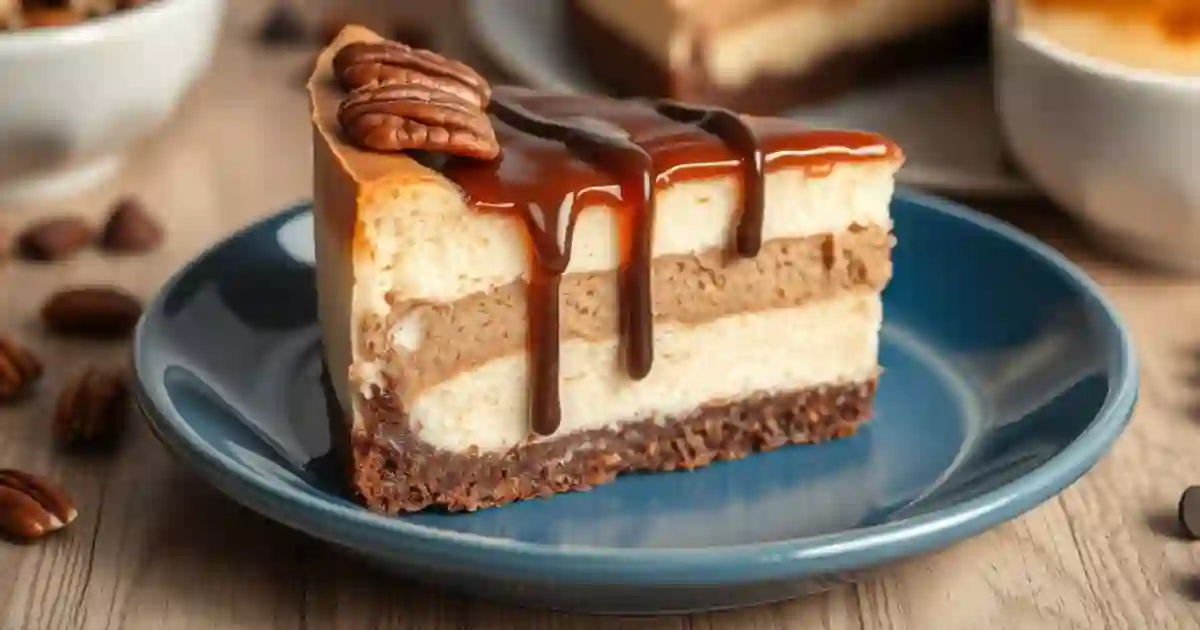
Remove the cheesecake from the water bath and refrigerate for at least 5 hours, preferably overnight. Before serving, top with remaining caramel sauce, chocolate ganache, and chopped pecans.
This slow cooling and chilling process is what gives turtle cheesecake its smooth, dense texture.
Pro Tips for a Crack-Free Cheesecake
Use Room-Temperature Ingredients: Cold cream cheese causes lumps, leading to overmixing. Overmixing incorporates excessive air, which makes the cheesecake puff up and crack as it cools.
Master the Water Bath: Surrounding the pan with water stabilizes the temperature and creates steam, ensuring a perfectly creamy texture and preventing surface cracks.
Clean Slices: For beautiful, bakery-worthy slices, use a sharp knife dipped in warm water. Wipe the blade completely clean between every single cut.
Why did my turtle cheesecake crack?
Cracks usually happen because of overmixing, baking at too high a temperature, or cooling too quickly. Using a water bath, mixing gently, and allowing gradual cooling will prevent most cracking issues.
Water Bath Cheesecake Method
The water bath method is one of the most important techniques for baking a successful turtle cheesecake, even though many home bakers are tempted to skip it. It may feel unnecessary or intimidating at first, but it solves several common cheesecake problems at once and dramatically improves the final texture.
A water bath works by surrounding the cheesecake with gentle, even heat. Instead of the oven blasting the pan directly with dry heat, the hot water creates steam and stabilizes the temperature. This prevents the cheesecake from baking too quickly on the outside while the center struggles to catch up. The result is a smoother surface, a creamier interior, and far fewer cracks.
To set up a water bath, wrap the outside of your springform pan tightly with two to three layers of heavy duty aluminum foil. Make sure the foil reaches well up the sides of the pan so water cannot sneak in. Place the wrapped pan inside a larger roasting pan. Once the cheesecake pan is positioned, carefully pour hot water into the outer pan until it reaches about halfway up the sides of the springform pan.
If you are concerned about leaks, there is an extra safeguard that works well. Place the foil wrapped pan inside an oven safe slow cooker liner or roasting bag before setting it in the water bath. This adds an extra barrier without affecting baking time or results.
During baking, avoid moving the pan or opening the oven door unless absolutely necessary. Sudden temperature changes can disrupt the baking process and undo the benefits of the water bath. When the cheesecake is finished, turn off the oven and crack the door open slightly. Letting the cheesecake cool slowly inside the oven helps it settle without pulling away from the edges or cracking at the center.
Some recipes suggest skipping the water bath entirely, but for layered desserts like turtle cheesecake, it is worth the effort. The caramel, chocolate, and cheesecake layers all benefit from gentle heat and controlled moisture. Once you see the difference in texture and appearance, the water bath will likely become a permanent part of your cheesecake routine.
Easy Variations and Substitutions
Shortcut Option: Use a high-quality, thick store-bought caramel sauce instead of making it from scratch. Avoid thin dessert syrups.
Nut Alternatives: If pecans are unavailable, walnuts make a wonderful substitute. For a completely nut-free version, omit them entirely to create a rich chocolate-caramel cheesecake.
Chocolate Adjustments: Swap semi-sweet chocolate for dark chocolate to add an intense, sophisticated contrast to the sweet caramel.
Storage, Freezing, and Meal Prep
Cheesecake is the ultimate make-ahead dessert because its flavor profile and texture improve significantly after spending a night resting in the refrigerator.
| Storage Method | Maximum Duration | Best Practices & Tips |
| Refrigerated | Up to 5 Days | Store in an airtight container. For best results, add fresh toppings closer to serving time. |
| Frozen | Up to 2 Months | Chill completely, wrap tightly in plastic wrap, then cover with aluminum foil. |
| Thawing | Overnight | Always thaw frozen cheesecake overnight in the refrigerator before serving. |
Can I freeze turtle cheesecake?
Yes, turtle cheesecake freezes well. Chill it completely first, then wrap it tightly in plastic wrap followed by foil. Freeze for up to two months. Thaw overnight in the refrigerator before adding fresh toppings.
When people search for turtle cheesecake, the questions below come up again and again. These answers are designed to clear up the uncertainty that often shows up right before or after baking, especially if this is your first time making a layered cheesecake.
Nutrition Information & Estimates
The nutrition values below are an approximate estimate for one slice of turtle cheesecake, based on a cheesecake cut into 12 to 14 servings. Exact numbers will vary depending on ingredient brands, portion size, and any substitutions made.
Per serving estimate:
The nutrition values below are an approximate estimate for one slice of turtle cheesecake, assuming the cake is cut into 12 to 14 equal servings.
- Calories: 460 – 500 kcal
- Total Fat: 32 – 36 g
- Saturated Fat: 18 – 21 g
- Carbohydrates: 38 – 42 g
- Net Sugars: 28 – 32 g
- Protein: 7 – 9 g
- Fiber: 1 – 2 g
- Sodium: 280 – 330 mg
Frequently Asked Questions About Turtle Cheesecake
Can I make turtle cheesecake ahead of time?
Yes, and it is actually recommended. Turtle cheesecake benefits from resting time in the refrigerator. Making it a day in advance allows the layers to set properly and the flavors to fully develop. Bake and chill the cheesecake, then add the final caramel, chocolate, and pecan toppings a few hours before serving for the best appearance and texture.
How long does turtle cheesecake last in the refrigerator?
Properly stored in an airtight container, turtle cheesecake will keep well in the refrigerator for up to five days. The texture remains best within the first three days, especially if the caramel and ganache toppings are added closer to serving time. Always keep it chilled and avoid leaving it at room temperature for extended periods.
Why is my turtle cheesecake too soft in the center?
A soft center usually means the cheesecake was underbaked or not chilled long enough. The center should still jiggle slightly when you turn off the oven, but it should not look liquid. Cheesecake continues to firm up as it cools and chills. If it was sliced too soon, it may appear softer than intended.
Can I make turtle cheesecake without a springform pan?
A springform pan is strongly recommended. It allows clean removal without damaging the layers or crust. If you use a deep cake pan instead, line it carefully with parchment and expect serving to be more difficult. The structure of turtle cheesecake is layered, and clean release matters more here than with simpler desserts.
What is the difference between turtle cheesecake and caramel chocolate cheesecake?
Turtle cheesecake includes pecans as a defining ingredient, inspired by turtle candies made with chocolate, caramel, and nuts. A caramel chocolate cheesecake may skip the nuts entirely or include them only as garnish. The pecans add both texture and flavor depth that set turtle cheesecake apart.
Conclusion
Turtle cheesecake is a deliberate, slow-crafted dessert that rewards your patience with bakery-quality results. By utilizing smart techniques like room-temperature ingredients, a protective water bath, and a gradual cooling phase, you can confidently serve a showstopping treat that holds its beautiful layers cleanly.
Take your time, enjoy the process, and watch this decadent dessert disappear from your holiday table!
If you enjoyed this Turtle Cheesecake Recipe , you will love my an other recipes too
Easy Breakfast Bagel Sandwich Recipe
Homemade Hamburger Buns Recipe
The Best Cherry Delight Recipe
For more delicious and easy baking recipes, follow me on Facebook and Pinterest! If you enjoyed this recipe, feel free to leave a comment below or follow me on my culinary journey!
This recipe was written and tested by Rasha, the founder of Recipesedeas. Rasha is a food enthusiast living in the USA, sharing her family-inspired recipes and culinary adventures