
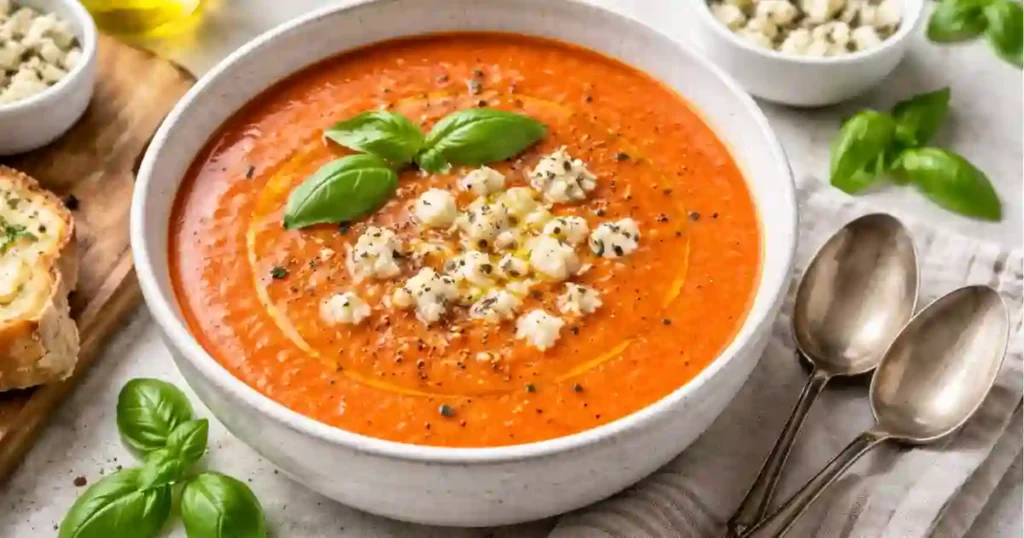
If you’ve been searching for the perfect tomato gorgonzola soup, you’re probably not just hungry, you’re chasing a very specific feeling. Something warm, slightly indulgent, a little sharp, but still comforting enough to feel like home. That balance is harder to get right than most recipes admit.
Here’s the thing. Tomato soup on its own can feel predictable. Gorgonzola on its own can feel… intense. But together? Something shifts. The acidity of tomatoes softens, the cheese melts into this creamy, slightly funky layer that feels almost restaurant-level without the effort.
I’ll be honest, the first time I tried making this, I overdid the cheese and completely lost the balance. It tasted expensive but wrong. That’s exactly why this version exists. Not just to give you steps, but to help you understand what actually makes this soup work.
By the end, you won’t just follow a recipe. You’ll know how to adjust it, fix it, and honestly, make it better the second time.
Table of Contents
Table of Contents
Why You’ll Love This Tomato Gorgonzola Soup
- Quick and easy to make, even on a busy evening when cooking feels like a chore
- Uses simple ingredients but delivers a surprisingly rich, restaurant-style flavor
- Perfect for cold nights, cozy dinners, or when you just want something comforting
- Balanced taste with creamy, tangy, and slightly bold notes that don’t overwhelm
- Feels impressive enough to serve guests without stressing in the kitchen
- Customizable based on how mild or strong you like the gorgonzola flavor
There’s also something quietly satisfying about this recipe. It doesn’t try too hard, but somehow ends up tasting like you did. The balance between tomato and gorgonzola is what really sets it apart. Not too sharp, not too heavy. Just right in that space where you take another spoon without thinking about it.
Why This Tomato Gorgonzola Soup Just Hits Different
There’s something oddly satisfying about recipes that feel slightly elevated but don’t demand much from you. This tomato gorgonzola soup sits right in that space.
It’s the contrast that does most of the heavy lifting. Tomatoes bring brightness and acidity. Gorgonzola brings depth, saltiness, and that unmistakable creamy edge. When those two meet, the result isn’t just “good soup”. It feels layered, almost like something you’d expect in a small Italian restaurant where the menu is short but everything works.
And let’s be honest, most people don’t want complicated. You want something that feels impressive without requiring ten techniques or obscure ingredients. This delivers that.
What Makes the Flavor Work So Well
- Tomatoes cut through the richness of the cheese
- Gorgonzola adds umami and creaminess without needing heavy cream
- The balance creates a slightly addictive taste profile
There’s also a subtle psychological thing happening. Warm, creamy soups tend to feel safe. Add a bold cheese like gorgonzola, and suddenly it feels a bit more grown-up. Familiar, but upgraded.
When Should You Make This?
- Cold evenings when you want something comforting
- Quick dinners that still feel intentional
- When you’re tired of basic tomato soup
Ingredients for Tomato Gorgonzola Soup
Before jumping into cooking, this is where small decisions quietly shape the final result. The ingredient list looks simple, but not all choices behave the same once heat gets involved.
You could technically throw everything together and still get something edible. But if you want that smooth, slightly luxurious finish, a few details matter more than they seem at first.
Core Ingredients
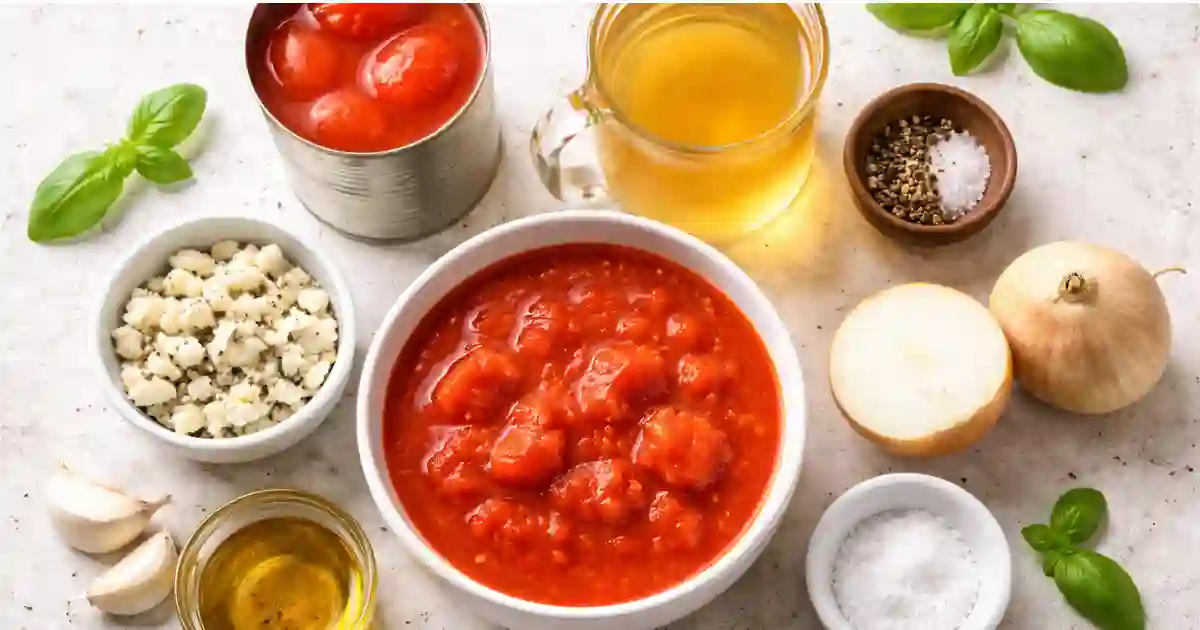
- 2 cups canned or fresh tomatoes
- 1 small onion, finely chopped
- 2 cloves garlic, minced
- 2 cups vegetable or chicken broth
- 100 grams gorgonzola cheese, crumbled
- 1 tablespoon olive oil
- Salt and pepper to taste
Ingredient Notes That Actually Matter
Tomatoes are the backbone here. If you use canned, go for high-quality ones. Cheap tomatoes tend to be overly acidic and flat at the same time, which is a weird combination but you’ll notice it.
Gorgonzola comes in different intensities. If you’re unsure, start with a milder version. You can always add more, but you can’t undo it once it melts in.
Broth is another quiet factor. A richer broth gives the soup more body. A lighter one keeps it cleaner. Neither is wrong, just different directions.
Small Upgrades That Make a Big Difference
- Add a splash of cream if you want extra smoothness
- Use roasted tomatoes for deeper flavor
- Finish with fresh herbs like basil for brightness
Can I Use Another Cheese Instead of Gorgonzola?
Yes, but it changes the identity of the dish. Blue cheese works similarly. Feta or goat cheese can work in a pinch, but they won’t melt the same way or create that creamy texture.
How to Make Tomato Gorgonzola Soup Step by Step
This is where most recipes go mechanical. Do this, then that. But honestly, what matters more is knowing what you’re looking for as you cook.
Because the difference between a good soup and a great one is rarely the steps. It’s how you respond to what’s happening in the pot.
Step by Step Process
- Heat olive oil in a pot over medium heat
- Add chopped onions and cook until soft and slightly translucent
- Stir in garlic and cook for about 30 seconds
- Add tomatoes and broth, then bring to a gentle simmer
- Let it cook for 15 to 20 minutes to develop flavor
- Blend the soup until smooth or leave slightly chunky
- Lower the heat and add gorgonzola gradually
- Stir until fully melted and combined
- Season with salt and pepper to taste
See how to make this recipe in the video below.
What You Should Notice While Cooking
When onions are ready, they stop smelling sharp and start smelling slightly sweet. That’s your cue.
When the soup simmers, it should feel calm, not aggressively boiling. Too much heat can flatten the flavor.
When adding gorgonzola, this is where people mess up. If the heat is too high, the cheese can separate and lose its smooth texture. Keep it low and slow.
Pro Tips That Actually Change the Outcome
There’s always that moment when you taste something and think, “It’s good… but something’s missing.” This section is about avoiding that moment.
These are the small adjustments that don’t seem dramatic but completely shift the final result.
Key Tips
- Add cheese gradually, not all at once
- Taste before adding salt since gorgonzola is already salty
- Use low heat when finishing the soup
- Blend in stages if you want better texture control
Texture Control Trick
If the soup feels too thin, let it simmer a bit longer uncovered. If it feels too thick, add a splash of broth instead of water. Water dilutes flavor more than people expect.
Flavor Balance Insight
If the soup tastes too sharp, add a tiny bit of cream or even a pinch of sugar. It sounds odd, but it works by softening the acidity.
Why Did My Cheese Turn Grainy?
Usually heat. Gorgonzola doesn’t like high temperatures once added. Keep the soup warm, not boiling, when mixing it in.
Common Mistakes to Avoid
It’s funny how most recipe failures aren’t dramatic. They’re small, almost invisible decisions that stack up.
And the frustrating part is, you often don’t realize what went wrong.
The Most Common Issues
- Adding cheese at high heat
- Using overly acidic tomatoes
- Oversalting early in the process
- Skipping the simmering time
The One Mistake That Ruins Everything
Rushing the process. This soup needs a bit of time for flavors to settle. If you rush it, it tastes disconnected. Like the ingredients haven’t agreed to work together yet.
Why Does My Soup Taste Too Sour?
Most likely the tomatoes. Try adding a small amount of cream or a pinch of sugar to balance it out.
Variations and Substitutions
At some point, you’ll probably want to tweak this. Either because of dietary needs or just curiosity.
And honestly, that’s where cooking becomes more interesting.
Easy Variations
- Add cream for a richer version
- Use roasted garlic for deeper flavor
- Add chili flakes for heat
Substitutions
- Use plant-based cheese for dairy-free version
- Swap broth type depending on preference
- Use fresh tomatoes when in season
What to Serve with Tomato Gorgonzola Soup
This soup can stand alone, but pairing it well turns it into something more complete.
Good Pairings
- Crusty bread or garlic bread
- Simple green salad
- Light pasta dishes
Slightly More Elevated Pairings
- Grilled cheese sandwich
- Toasted sourdough with olive oil
- A glass of white wine
What Bread Works Best?
Something crusty. Soft bread tends to disappear into the soup too quickly, while crusty bread adds texture and contrast.
Storage, Reheating and Make Ahead Tips
This is one of those soups that actually improves slightly after sitting for a while.
Storage Tips
- Keep in the fridge for up to 3 days
- Store in an airtight container
Reheating Tips
- Reheat on low heat
- Stir frequently to maintain texture
- Add a splash of broth if needed
Can You Freeze It?
Yes, but texture may change slightly due to the cheese. Stir well when reheating to bring it back together.
Serving Tips
Serving this soup well is half the experience. The taste matters, sure, but how it looks and feels when you serve it changes everything.
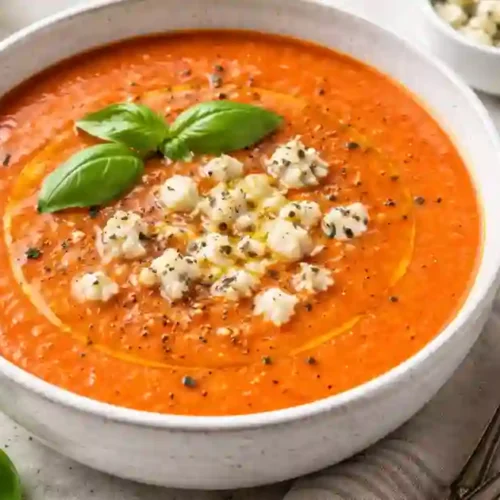
Start simple. Use a deep bowl so the soup stays warm longer. Right before serving, add a small crumble of gorgonzola on top. It melts slightly and gives a hint of what’s inside without overpowering the first bite.
A drizzle of olive oil can make it look more polished. Fresh basil or parsley adds color and a bit of freshness that cuts through the richness.
If you want to go one step further:
- Serve with warm crusty bread on the side
- Add a grilled cheese sandwich for a classic pairing
- Lightly toast sourdough and rub it with garlic for extra flavor
Honestly, even the smell when you bring it to the table does part of the work. That warm, creamy aroma tends to pull people in before they even take a bite.
Helpful Notes
This is where small insights can save you from small mistakes that quietly ruin the result.
If your soup tastes slightly off, it’s usually not a big issue. It’s often just balance.
- Too acidic? Add a splash of cream or a pinch of sugar
- Too salty? Add more tomatoes or a bit of unsalted broth
- Too thick? Loosen with warm broth instead of water
- Too thin? Let it simmer a little longer uncovered
One thing people don’t expect is how much the cheese changes over time. Right after cooking, the flavor feels bold. After resting, it softens and blends more into the soup.
Also, blending is optional. If you like texture, leave part of it unblended. It makes the soup feel more homemade and less uniform.
And maybe this is just personal, but the second day version often tastes better. The flavors settle, and everything feels more connected.
Nutrition Information (Approximate per serving)
- Calories: 220 to 280 kcal
- Protein: 8 to 12 grams
- Fat: 14 to 18 grams
- Carbohydrates: 15 to 20 grams
- Fiber: 2 to 4 grams
- Sodium: Varies depending on broth and cheese used
Keep in mind, gorgonzola is naturally higher in fat and sodium, so small adjustments can make a big difference if you’re watching intake.
Tomato Gorgonzola Soup

Ingredients
Main Ingredients
- 2 cups tomatoes (canned or fresh)
- 1 small onion, finely chopped
- 2 cloves garlic, minced
- 2 cups vegetable or chicken broth
- 100 g gorgonzola cheese, crumbled
- 1 tablespoon olive oil
- to taste salt and pepper
Instructions
- Heat olive oil in a large pot over medium heat.
- Add the chopped onion and cook until soft and slightly translucent.
- Stir in the minced garlic and cook for about 30 seconds until fragrant.
- Add the tomatoes and broth, then bring to a gentle simmer.
- Let the soup simmer for 15–20 minutes to develop flavor.
- Blend the soup until smooth, or leave slightly chunky if preferred.
- Lower the heat and gradually add the gorgonzola cheese, stirring gently.
- Stir until the cheese is fully melted and incorporated.
- Season with salt and pepper to taste, then serve warm.
Notes
Frequently Asked Questions About Tomato Gorgonzola Soup
Can I use milk instead of cream in tomato gorgonzola soup?
Yes, but the result will be lighter and slightly less rich. Milk works if you want to reduce heaviness, but it won’t give the same creamy depth as cream.
How do I make the soup less strong in cheese flavor?
Start with less gorgonzola and add gradually. You can also balance it with more tomatoes or a bit of cream to soften the intensity.
Can I make tomato gorgonzola soup without blending it?
Absolutely. In fact, leaving it slightly chunky gives it a more rustic feel. It depends on whether you prefer smooth texture or something with more bite.
Is Tomato Gorgonzola Soup Too Strong in Flavor?
Not really. When balanced correctly, the gorgonzola doesn’t overpower. It melts into the soup and becomes part of the background rather than the main event. If anything, it just makes the soup feel richer and more complete.
Can I Make This Soup Vegan?
Yes, but it requires adjustments. Use plant-based cheese and vegetable broth. The flavor will be different, but still enjoyable.
Should the Soup Be Completely Smooth?
That depends on preference. Smooth feels more refined. Slightly chunky feels more rustic and homemade. Both are valid, so it’s more about mood than rules.
Conclusion
At first glance, tomato gorgonzola soup might seem like just another variation of a classic. But once you actually make it, you start to notice the difference. The way the flavors settle, the way the texture feels slightly more intentional.
And maybe this sounds a bit strange, but it’s one of those recipes that gets better the more you understand it. The first time you follow it. The second time, you adjust it. By the third time, it’s kind of yours.
So try it once exactly as written. Then change something. That’s usually where the real version begins.
For more delicious and easy recipes, follow me on Facebook and Pinterest
This recipe was written and tested by Rasha, the founder of Recipesedeas. Rasha is a food enthusiast living in the USA, sharing her family-inspired recipes and culinary adventures