
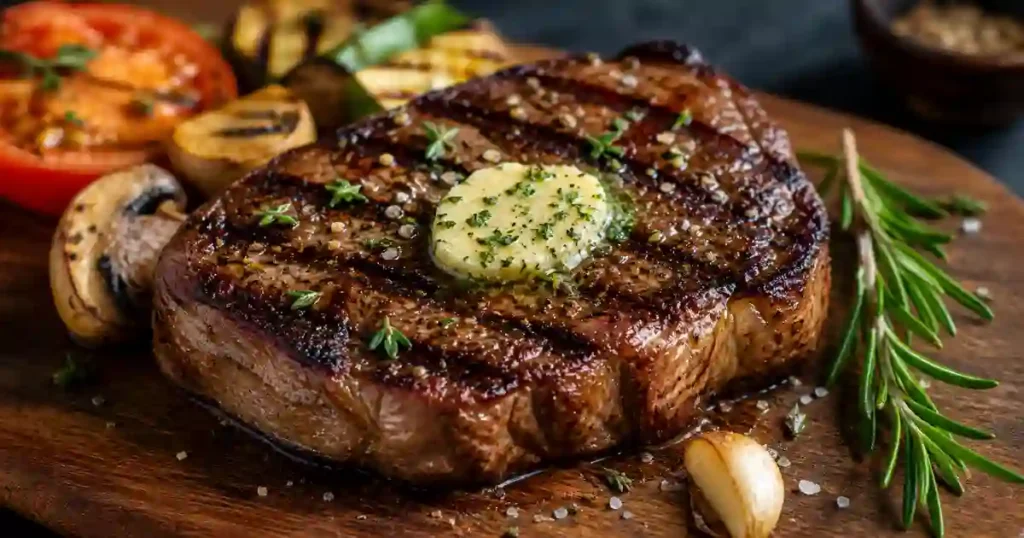
Why “Grill Steak House Style Steaks” Feels Harder Than It Should
If you’ve ever tried to grill steak house style steaks at home, you probably know the quiet frustration that comes with it. You buy a beautiful cut, season it carefully, fire up the grill and then somehow… it’s just not the same. Not bad. Just not that.
Maybe it’s the crust. Maybe it’s the juiciness. Or maybe it’s that moment when you cut into it and think, “Why does this never taste like a restaurant?”
Here’s the thing most guides don’t really say out loud. It’s not just about the recipe. It’s about a series of tiny decisions that happen in real time. When to flip. When to wait. When to stop second-guessing yourself.
This guide will walk you through exactly how to grill steak house style steaks with clarity, confidence, and a bit of real-world honesty. Not perfection. Just control. And honestly, that’s what makes the difference.
Grill Steak House Style Steaks

Ingredients
Steak
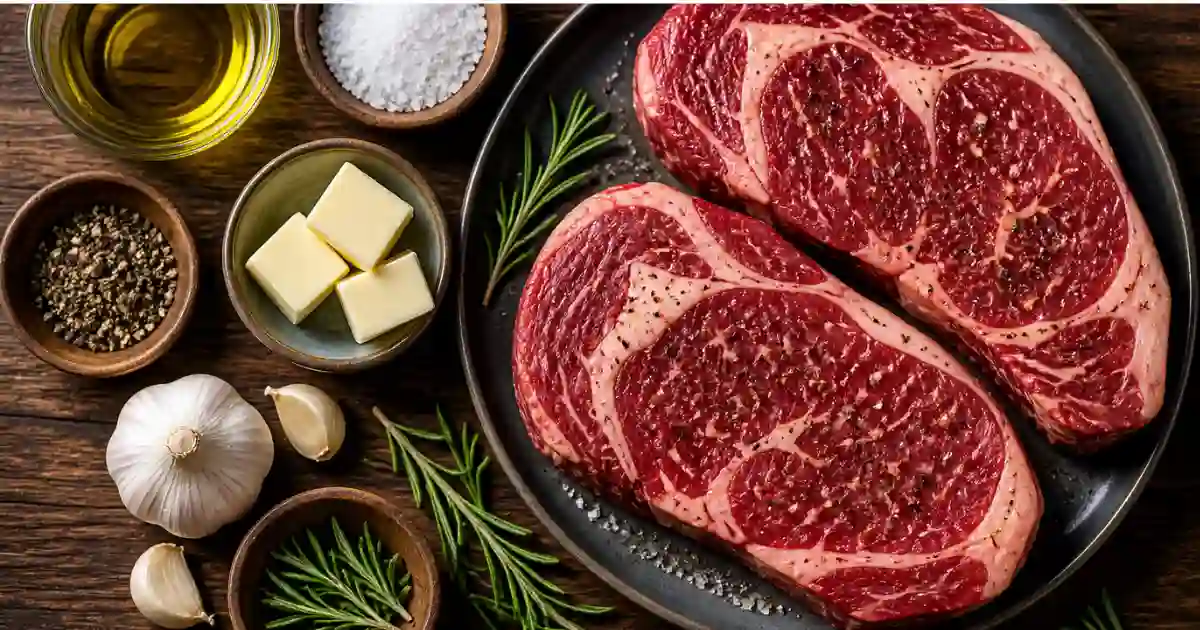
- 2 thick-cut steaks ribeye or New York strip, about 1 to 1.5 inches thick
- 1 tsp salt or to taste
- 0.5 tsp black pepper
- 1 tbsp high smoke point oil such as avocado or canola oil
Optional Finishing
- 1 tbsp butter for finishing
- 1 tsp fresh herbs such as thyme or rosemary
Instructions
- Preheat your grill to high heat. Ensure one side is very hot for searing and another slightly cooler for finishing.
- Pat the steaks completely dry with paper towels. This step is essential for building a proper crust.
- Lightly coat the steaks with oil, then season generously with salt and black pepper.
- Place the steaks directly over high heat. Let them sear without moving for 2 to 3 minutes until a deep brown crust forms.
- Flip the steaks and sear the other side for another 2 to 3 minutes.
- If needed, move the steaks to indirect heat to finish cooking to your desired doneness.
- Remove the steaks from the grill slightly before they reach your target temperature, as they will continue cooking while resting.
- Rest the steaks for 5 to 10 minutes before serving to allow juices to redistribute.
- Optional: top with butter and fresh herbs before serving for extra flavor.
Notes
Table of Contents
Table of Contents
Why Your Grilled Steak Never Tastes Like a Steakhouse
Let’s be honest for a second. It’s rarely about the meat itself.
Most people assume restaurants use “better steak.” Sometimes they do, sure. But more often, the gap comes from technique and timing. And not the obvious kind.
You might already know how to grill steak. High heat, salt, flip once. That advice is everywhere. But when you actually stand in front of the grill, things get messy. The heat feels too aggressive. The steak looks done too soon. You hesitate.
And that hesitation? That’s where things start to fall apart.
Steakhouse chefs don’t hesitate the same way. Not because they’re fearless, but because they trust the signals. The sound, the smell, the resistance when you press the meat. Those cues matter more than any timer.
The Hidden Gap Most People Miss
There are a few subtle differences that separate home grilling from steakhouse results:
- Heat consistency is higher in restaurants
- Steaks are dried properly before cooking
- Seasoning is simpler but applied more confidently
- Resting is treated as non-negotiable
And maybe the biggest one? They don’t panic mid-cook.
Why does my steak come out tough even when I follow instructions?
Because technique beats instructions. If the heat is off, or the steak isn’t dry enough, or you cut into it too early, even the “right steps” won’t save it. Steak is less forgiving than most recipes.
What Makes Steakhouse Steaks Actually Different
So what’s really happening behind the scenes when you eat a perfect steakhouse steak?
It’s not magic. But it’s also not just “high heat and butter,” even though that’s what most articles reduce it to.
When you grill steak house style steaks, you’re trying to recreate three key outcomes:
- A deep, crisp crust
- Even internal doneness
- Juices that stay inside the meat, not on your plate
And each of those comes from a different decision.
The crust comes from dryness and heat. The doneness comes from heat control. The juiciness comes from patience, especially after cooking.
The Truth About Butter and Flavor
A lot of people think butter is the secret. It helps, sure. But butter alone won’t fix a poorly grilled steak.
Actually, scratch that. It might make it taste better, but it won’t give you that steakhouse texture.
Flavor layering matters more:
- Salt early or just before grilling depending on your timing
- Use fat at the end, not the beginning
- Let the meat speak before adding extras
Steak Flavor Enhancements To elevate your steakhouse-style steak, consider these simple additions during the final stages of roasting or resting:
- Garlic Butter Touch: Top your hot steak with a knob of butter mixed with fresh minced garlic for that classic aroma.
- Smoky Rub: A light dusting of smoked paprika before grilling adds a beautiful golden color and a hint of warmth.
- The Finishing Salt: Use a pinch of flaky sea salt right before serving to make the natural flavors of the meat “pop.”
- Herbal Brightness: Fresh rosemary or thyme sprigs placed on the steak while resting add a professional, bright finish.
Do steakhouses use special seasoning blends?
Not usually. Most rely on salt, sometimes pepper, and technique. The simplicity is intentional.
Choosing the Right Cut for Steakhouse Results
Before you even think about how to grill steak house style steaks, you need to choose the right cut. And this is where people quietly sabotage themselves.
Not all steaks behave the same on a grill.
Ribeye is forgiving. Strip steak is balanced. Filet is tender but tricky.
If you’ve ever felt like your steak “looked right but tasted off,” the cut might be the reason.
Best Cuts for Steakhouse-Style Grilling
- Ribeye: rich, forgiving, ideal for beginners
- New York strip: great balance of fat and texture
- Filet mignon: tender but needs careful handling
And here’s something people don’t talk about enough. Thickness matters more than the specific cut sometimes.
A thin steak cooks too fast. You lose control.
Aim for at least 1 to 1.5 inches thick if you want that steakhouse feel.
Is expensive steak always better?
Not necessarily. A well-cooked mid-range steak can outperform an expensive cut cooked poorly. Technique closes the gap fast.
Recommended Tools for Steakhouse Results (Shop on Amazon)
Coarse Flaky Sea Salt (Maldon Salt): The ideal finishing touch to give your steak that signature steakhouse flavor pop
Instant-Read Meat Thermometer: The only way to guarantee your steak is cooked exactly to your preferred doneness (Rare, Medium, etc.) without cutting into it prematurely.
Heavy-Duty Stainless Steel Tongs: Avoid forks! Tongs let you flip the meat securely without piercing it and losing natural juices.
Cast Iron Skillet or Heavy-Duty Cast Iron Grill Grates: Retains high heat evenly, which is the absolute secret to building a deep, rich steakhouse crust.
Wire Cooling Rack & Baking Sheet Set: Essential for resting your steak. Air circulation prevents the crisp bottom crust from turning soggy.
To get that perfect restaurant-quality sear, having the right tools is just as important as the meat itself. Here is what I recommend:
- Instant-Read Meat Thermometer: This is the only way to guarantee your steak is cooked exactly how you like it (Rare, Medium, etc.) without cutting into it too early.
- Heavy-Duty Tongs: Avoid using a fork! Tongs allow you to flip the steak without piercing the meat and losing those precious juices.
- Cast Iron Skillet or Heavy Grate Grill: A thick surface holds heat better, which is the secret to building that deep, dark crust.
- Wire Cooling Rack: Perfect for resting your steak. It prevents the bottom from getting soggy by allowing air to circulate
The Pre-Grill Setup Most People Get Wrong
This part feels boring. It’s not flashy. But it might be the difference between “good” and “finally, that’s it.”
Before you grill steak house style steaks, the setup matters more than you think.
First, dryness. Your steak should not be wet. Moisture kills crust. Pat it dry. Then do it again, just to be sure.
Second, salt timing. There’s debate here, and honestly, both approaches can work.
- Salt right before grilling for simplicity
- Or salt 40 minutes ahead for deeper penetration
What doesn’t work? Salting and letting it sit for 10 minutes. That’s the awkward middle zone.
The Room Temperature Myth
You’ve probably heard to bring steak to room temperature.
Here’s the honest take. It helps slightly, but it’s not critical. Don’t stress about it. Focus on dryness and heat instead.
Should I oil the steak or the grill?
Lightly oil the steak. It gives you more control and reduces sticking without flare-ups.
How to Grill Steak House Style Steaks Step by Step
Now we get into the core of it. The actual process.
To grill steak house style steaks, you need to commit to the heat and trust the sequence.
- Preheat your grill to high heat
- Place steak directly over heat
- Let it sear without touching for 2 to 3 minutes
- Flip and repeat
- Move to indirect heat if needed to finish cooking
- Remove slightly before target doneness
- Rest
Sounds simple. But the execution is where people overthink.
You might feel like flipping early. Don’t. Let the crust form.
You might worry it’s burning. Sometimes it looks worse than it is.
See how to make this Grill Steak House Style Steaks recipe in the video below
Reading the Steak Instead of the Clock
Try this instead of obsessing over time:
- Look for a deep brown crust, not pale gray
- Listen for a steady sizzle, not aggressive popping
- Press lightly to feel resistance
How many times should I flip the steak?
Once works. More can work too. The key is not interrupting the crust formation too early.
The Secret to That Perfect Crust
The crust is what most people chase when they try to grill steak house style steaks.
It’s that dark, slightly crisp layer that feels almost… intentional.
That comes from something called the Maillard reaction. But forget the science for a second.
Think of it as controlled intensity.
You need:
- High heat
- Dry surface
- Enough time without interference
If any of those are missing, the crust won’t develop properly.
Why Your Steak Stays Gray
Usually it’s because:
- The grill wasn’t hot enough
- The steak had moisture on it
- You flipped too soon
And yeah, that last one happens a lot.
Can I fix a weak crust after cooking?
Not really. You can improve it slightly with a quick sear, but it’s best built from the start.
When to Flip and When to Stop Overthinking
This is where most people spiral a bit.
You’re standing there, staring at the steak, wondering if it’s time. And suddenly, every second feels like a risk.
When you grill steak house style steaks, flipping becomes psychological.
Here’s a simpler way to approach it:
Flip when the steak releases easily. If it sticks, it’s not ready.
That’s it.
No timer anxiety. No guessing games.
The Moment You Should Trust Yourself
There’s always a point where you think, “Maybe I should wait a bit longer.”
Sometimes you should. Sometimes you shouldn’t.
But over time, you’ll start recognizing the cues. And that’s when things click.
What if I flip too early?
You lose some crust, but it’s not ruined. Adjust and keep going. Perfection isn’t required.
Resting Steak: The Step People Rush Every Time
After you grill steak house style steaks, the hardest part might actually be doing nothing.
Resting feels unnecessary when you’re hungry. But it’s critical.
When the steak cooks, juices move toward the center. Resting lets them redistribute.
Cut too early, and they spill out. You’ve probably seen it happen.
While your steak is resting for those 8 to 10 minutes, it’s the perfect time to dish up your [Roasted Potatoes and Broccoli] for the ultimate steakhouse experience
How Long Should You Rest?
- Thin steaks: 5 minutes
- Thick steaks: 8 to 10 minutes
It feels long. It’s worth it.
Should I cover the steak while resting?
Loosely, if at all. You don’t want to trap steam and soften the crust.
Common Mistakes That Ruin Steak
Even when trying to grill steak house style steaks, a few mistakes show up again and again.
- Not drying the steak
- Weak heat
- Flipping too soon
- Cutting immediately after cooking
- Overcomplicating seasoning
None of these feel dramatic in the moment. But together, they add up.
The Quiet Mistake Most People Ignore
Overthinking.
It leads to hesitation, and hesitation leads to inconsistent results.
What’s the biggest mistake beginners make?
Trying to follow too many rules at once instead of focusing on the fundamentals.
Why You’ll Love This Grill Steak House Style Steaks Recipe
- Simple process that removes guesswork while still giving you control
- Delivers that steakhouse crust and juicy center without complicated tools
- Works for weeknight dinners or impressing guests without stress
- Uses minimal ingredients so the steak flavor actually stands out
- Helps you feel confident instead of anxious while grilling
What makes this approach stand out is how it focuses on real cooking behavior, not just instructions. It’s less about perfection and more about reading the moment. And honestly, that shift alone changes everything.
Serving and Storage Tips for Grill Steak House Style Steaks
Serving steak is more than just putting it on a plate.
Let it rest fully, then slice against the grain if needed. A simple presentation works best. Clean plate, maybe a small knob of butter melting on top, and that’s it. You don’t need to overdecorate something that already carries its own presence.
For sides, keep it balanced:
- Roasted vegetables
- Simple salad
- Potatoes in any form
Storage is straightforward:
- Refrigerate leftovers within 2 hours
- Store in airtight container for up to 3 days
Reheating is where things can go wrong. Avoid microwaving if possible.
Instead:
- Reheat gently in a pan over low heat
- Or use the oven at low temperature until warmed through
This helps preserve texture and prevents overcooking.
Helpful Notes
A few small adjustments can elevate your results more than you’d expect.
- Try finishing with a small amount of butter and herbs
- Experiment with slightly longer sear times for thicker crust
- Use a thermometer if you’re unsure, but don’t rely on it completely
Variations:
- Reverse sear method for thicker steaks
- Cast iron finish after grilling for extra crust
- Light marinade for a different flavor profile
Frequently Asked Questions for Grill Steak House Style Steaks
Can I grill steak without a thermometer?
Yes. It takes practice, but visual and touch cues are often enough.
What oil is best for grilling steak?
Use high smoke point oils like avocado or canola oil.
How do I know when steak is done?
Press the steak and observe firmness, or use internal temperature as a guide.
Can I grill steak house style steaks on a gas grill?
Yes, you absolutely can. A gas grill works well as long as you preheat it properly and create two heat zones. High direct heat is key for searing, while a cooler side helps finish cooking without burning the outside.
Should I season steak before or after grilling?
Seasoning before grilling is best, especially with salt. It helps enhance flavor and build a better crust. If you’re short on time, season right before placing it on the grill. For deeper flavor, salt it about 40 minutes in advance.
How do I get grill marks like a steakhouse?
To get those classic grill marks, place the steak at a 45-degree angle on hot grates. After a couple of minutes, rotate it slightly without flipping. Then flip and repeat on the other side. Just don’t prioritize marks over crust.
Is flipping steak multiple times bad?
No, flipping multiple times is not bad. In fact, it can help cook the steak more evenly. The key is to let the crust develop before flipping. Frequent flipping without patience can prevent proper searing.
What internal temperature is best for steak doneness?
Check the detailed temperature chart below to find the perfect timing for your preferred level of doneness.”
| Description | Internal Temp (°F) | Internal Temp (°C | Doneness |
| Cool red center | 120-125°F | 50-52°C | Rare |
| Warm red center | 130-135°F | 54-57°C | Medium Rare |
| Warm pink center | 140-145°F | 60-63°C | Medium |
| Fully cooked brown | 160°F+ | 70°C+ | Well Done |
Nutrition Information
Approximate values per serving:
- Calories: 400 to 600 depending on cut
- Protein: 30 to 45 grams
- Fat: 25 to 40 grams
- Carbohydrates: 0 grams
These numbers vary based on portion size and cut selection.
Conclusion
Learning to grill steak house style steaks isn’t about memorizing steps. It’s about building a feel for the process.
At first, it might feel uncertain. You’ll question timing, heat, even yourself. That’s normal.
But once you start recognizing the signals, the sound of the sear, the look of the crust, the pause before cutting, things shift.
And suddenly, it’s not guesswork anymore.
It’s just cooking.
If you enjoyed this Grill Steak House Style Steaks, you will love my [Cloud Pancakes and Chopped Italian Sandwich ] recipe too
For more delicious and easy recipes, follow me on Facebook and Pinterest
If you enjoyed this recipe, feel free to leave a comment below or follow me on my culinary journey!
This recipe was written and tested by Rasha, the founder of Recipesedeas. Rasha is a food enthusiast living in the USA, sharing her family-inspired recipes and culinary adventures