

The first thing you notice is the aroma. Warm spices fill the kitchen, rice steams gently, and the pot feels like a promise waiting to be opened. Chicken Biryani is not just food in our home. It is celebration, patience, and pride passed down through generations. This chicken biryani recipe comes from our family table, taught by watching hands, not reading notes, and corrected after many shared meals.
I grew up learning that good biryani is about control, not shortcuts. Rice must stay separate. Chicken must stay soft. Both must finish cooking together, not fighting each other in the pot. Many people fail here. Mushy rice and dry meat ruin the experience fast.
This guide exists to stop that frustration. You will learn how to cook rice to the right stage, how long chicken really needs in marinade, and why dum cooking matters. Follow it closely and you will serve biryani with fluffy grains, tender chicken, and deep flavor in every bite. This is real biryani, cooked with care, and built to work every single time.

Chicken Biryani
Ingredients
Chicken Marinade
- 1.5 kg bone-in chicken pieces
- 1 cup plain yogurt room temperature
- 2 tbsp ginger paste
- 2 tbsp garlic paste
- 1 tsp turmeric powder
- 2 tsp red chili powder adjust to taste
- 2 tsp garam masala
- 1.5 tsp salt
- 2 tbsp lemon juice fresh
- 0.5 cup fresh mint leaves chopped
Rice
- 3 cups basmati rice
- 8 cups water for boiling
- 2 pieces bay leaves
- 4 pieces green cardamom pods
- 4 pieces cloves
- 1 piece star anise
- 1 tsp cumin seeds
Cooking and Layering
- 0.25 cup ghee
- 2 cups onions thinly sliced and fried until golden
- 0.25 tsp saffron strands soaked in warm milk
- 0.25 cup milk warm
- 0.5 cup fresh cilantro chopped
Instructions
- Add chicken to a large bowl and mix with yogurt, ginger paste, garlic paste, turmeric, red chili powder, garam masala, salt, lemon juice, and mint. Coat well using your hands.
- Cover and refrigerate for at least 4 hours, preferably overnight, to allow the chicken to tenderize and absorb flavor.
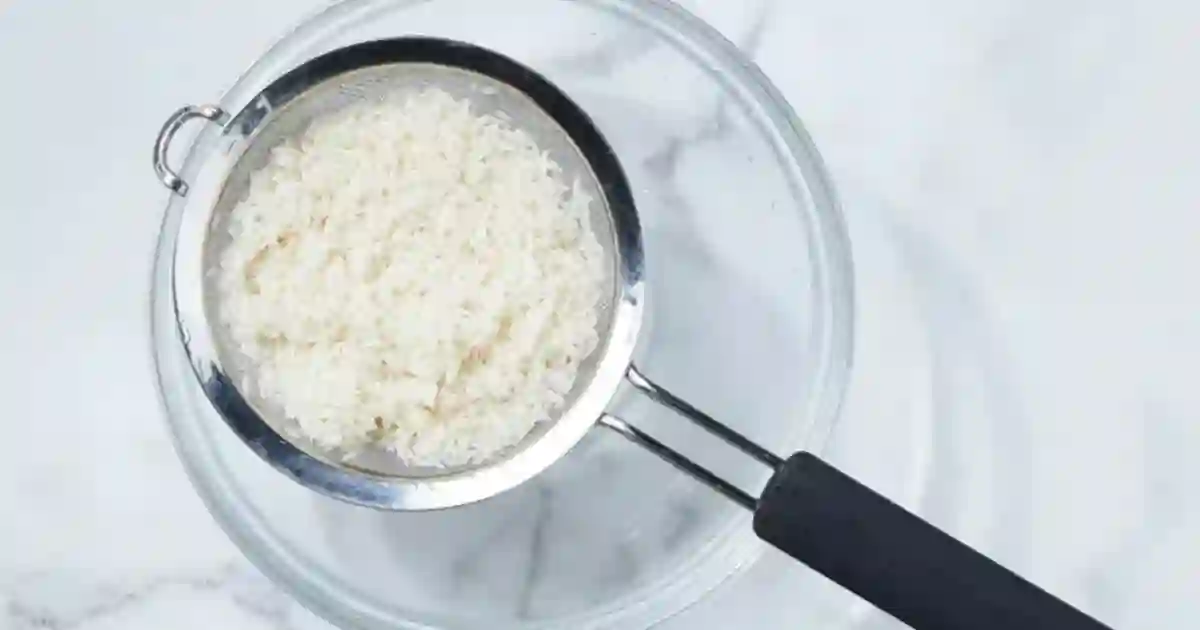
- Rinse basmati rice until the water runs clear, then soak in plenty of water for 30 minutes.
- Bring a large pot of water to a rolling boil. Add salt, bay leaves, cardamom, cloves, star anise, and cumin seeds.
- Add soaked rice and cook until about 70 percent done. Drain immediately and set aside.
- Spread marinated chicken evenly in the bottom of a heavy wide pot.
- Gently layer the parboiled rice over the chicken without pressing or stirring.
- Top with fried onions, saffron milk, chopped mint, cilantro, and drizzle ghee over the surface.
- Seal the pot tightly with foil and a lid, or seal with dough. Place on very low heat and cook for 35–40 minutes.
- Turn off the heat and let the biryani rest for 10 minutes before opening. Fluff gently from the sides and serve hot.
Notes
able of Contents
Table of Contents
Why You Will Love Chicken Biryani
- Clear steps that help you get fluffy rice without guesswork
- Chicken stays soft and juicy from proper marination
- Uses common spices that still give deep flavor
- Works well for family meals and special gatherings
- Tastes rich without feeling heavy
This version stands apart because it respects timing and balance. The rice cooks only to the point where it can finish steaming later. The chicken absorbs flavor slowly instead of rushing on high heat. Every layer has a purpose. When you open the pot, the grains stay separate, the meat pulls apart easily, and the smell alone tells you it worked. It is the kind of dish that makes guests pause before the first bite and ask how you made it.
Ingredients Chicken Biryani

For the Chicken Marinade
- Chicken pieces with bone for better taste
- Plain yogurt at room temperature
- Fresh ginger paste
- Fresh garlic paste
- Turmeric powder
- Red chili powder adjusted to taste
- Garam masala
- Salt
- Fresh lemon juice
- Chopped mint leaves
For the Rice
- Long grain basmati rice
- Water for soaking and boiling
- Whole spices including bay leaves, green cardamom, cloves, star anise, and cumin seeds
For Cooking and Layering
- Ghee for richness
- Onions sliced thin and fried until golden
- Saffron soaked in warm milk
- Fresh cilantro for garnish
Each ingredient plays a role. Yogurt softens the chicken. Whole spices scent the rice. Fried onions add sweetness that balances the heat.
How to Make Chicken Biryani
The Essential First Step Mastering Chicken Marination
- Add chicken to a large bowl.
- Mix in yogurt, ginger, garlic, turmeric, red chili powder, garam masala, salt, lemon juice, and mint.
- Coat every piece well using your hands. This helps the spices sink in.
- Cover and rest in the fridge for at least 4 hours. Overnight gives the best result.
Key Marinade Components Yogurt Spices and Lemon
- Yogurt softens the meat and holds spice close
- Spices build depth instead of surface heat
- Lemon brightens the final taste

Optimal Marination Time for Tender Chicken
Four hours is the minimum. Longer resting leads to softer texture and stronger flavor.
Achieving Perfect Basmati Rice The Ultimate Guide to Preventing Mushy Biryani
Soaking the Rice
- Rinse rice until the water runs clear.
- Soak in plenty of water for 30 minutes.
This step helps the grains lengthen without breaking.
Parboiling the Rice
- Bring a large pot of water to a rolling boil.
- Add salt and whole spices.
- Drop in the soaked rice and cook until about 70 percent done.
- The grain should break with pressure but still feel firm in the center.
- Drain right away.

Which Biryani Style Is Right for You Hyderabadi vs Awadhi
Hyderabadi Style
Raw marinated chicken cooks under partially cooked rice. The pot is sealed and steamed on low heat. This is the style used in this recipe.
Awadhi Style
Chicken curry cooks first. Rice and curry are layered later. It tastes mild and rich but needs more steps.
The Science of Dum Cooking
Dum cooking traps steam inside the pot. That steam finishes the rice and cooks the chicken at the same time. The sealed environment keeps moisture inside and lets flavors move between layers without stirring.
Building the Masterpiece The Art of Layering and Sealing the Dum
How to Layer Your Chicken Biryani for Maximum Flavor Transfer
Start with the marinated chicken or cooked curry at the bottom of a wide heavy pot. This base forms the foundation of the Chicken Biryani and allows heat to reach every piece evenly. Add the parboiled rice gently on top without pressing it down. Keep the layers loose and separate. Do not stir. Stirring breaks the rice and mixes moisture unevenly, which leads to soft grains. Proper layering allows steam to rise through the rice while flavor moves upward from the chicken. This balance is what gives Chicken Biryani its depth and structure.
The Garnish Layer Saffron Mint and Ghee
Finish the Chicken Biryani with the garnish layer. Drizzle saffron milk in small circles across the surface so the color spreads in patches rather than pooling in one spot. Scatter fresh mint and cilantro to release aroma during steaming. Spoon ghee lightly over the top to add richness. This final layer defines the look and smell of the Chicken Biryani before the lid closes.
Sealing the Pot Creating the Perfect Dum Environment
Seal the pot so no steam escapes during the final stage of Chicken Biryani cooking. Place foil tightly over the rim, then press the lid firmly on top, or seal the lid with soft dough around the edge. Both methods trap steam inside the pot. Trapped steam cooks the rice gently and finishes the chicken without drying it out. Keep the heat low once the pot is sealed.
Final Check When Is the Chicken Biryani Truly Done
The Chicken Biryani is ready when the rice at the top feels fully soft and there is no steam sound coming from the pot. Turn off the heat and let it rest for ten minutes before opening. This resting time allows moisture to settle and helps the grains stay firm during serving.

Serving and Storage Tips
Serve biryani hot straight from the pot. Fluff gently from the side to keep layers intact. Pair with something cool on the side.
For storage, cool fully before placing in an airtight container. Keep in the fridge up to two days. Reheat on low heat with a splash of water and a tight lid.
Helpful Notes
- Always use a wide heavy pot to avoid burning
- Do not stir once layers are set
- Use bone in chicken for better taste
- Keep heat low during dum to avoid scorching
- Let the biryani rest ten minutes before opening the lid
These small details decide whether the dish feels average or special.
Conclusion
Chicken Biryani succeeds when timing and care come first. This method protects the rice so each grain stays long and light. It also treats the chicken with patience so it stays soft and full of spice. When these two parts meet under gentle steam, the result feels rich without being heavy.
This recipe works because every step has a clear purpose. Nothing is rushed. Nothing is guessed. If you follow the guide, you will serve biryani that looks beautiful and tastes balanced from the first bite to the last.
If you tried Chicken Biryani recipe, leave a star rating and share how it turned out. Tell us what changes you made or what style your family prefers. Save it for later and share it with friends who love real home cooked food.
Frequently Asked Questions
What is Chicken Biryani made of?
Chicken Biryani uses basmati rice, chicken, yogurt, whole spices, herbs, and ghee. These parts cook in stages and finish together through steaming.
What exactly is biryani?
Biryani is a rice dish where meat and rice cook in layers using steam. This method keeps flavors locked inside and sets it apart from simple rice dishes.
What type of biryani is best?
That depends on taste. Hyderabadi biryani is bold and spice forward. Awadhi biryani is mild and rich. Both are authentic.
What does biryani taste like?
It tastes aromatic and layered. You get warmth from spices, richness from ghee, freshness from herbs, and light sweetness from fried onions.
Is Chicken Biryani very spicy?
It does not have to be. You control the heat through chili powder. Reduce it for mild flavor or increase it for more heat.
Is biryani healthy or unhealthy?
It is balanced but filling. It provides protein and carbs. You can lighten it by using less ghee and lean chicken cuts.
Common Biryani Problems Solved
Why is my chicken tough or dry?
This happens when marination time is too short or heat is too high. Give the chicken enough rest and cook on low heat.
What is the difference between Biryani and Pulao?
Biryani uses layering and steaming. Pulao cooks everything together in one stage with lighter spice.
Can I use a non Basmati rice variety?
You can, but results change. Basmati gives length and aroma that other rice types cannot match.
How to achieve vibrant colors in the biryani?
Use saffron milk and properly fried onions. Avoid artificial color for a natural look.
For delicious and easy recipes, follow me on my Facebook and Pinterest
