
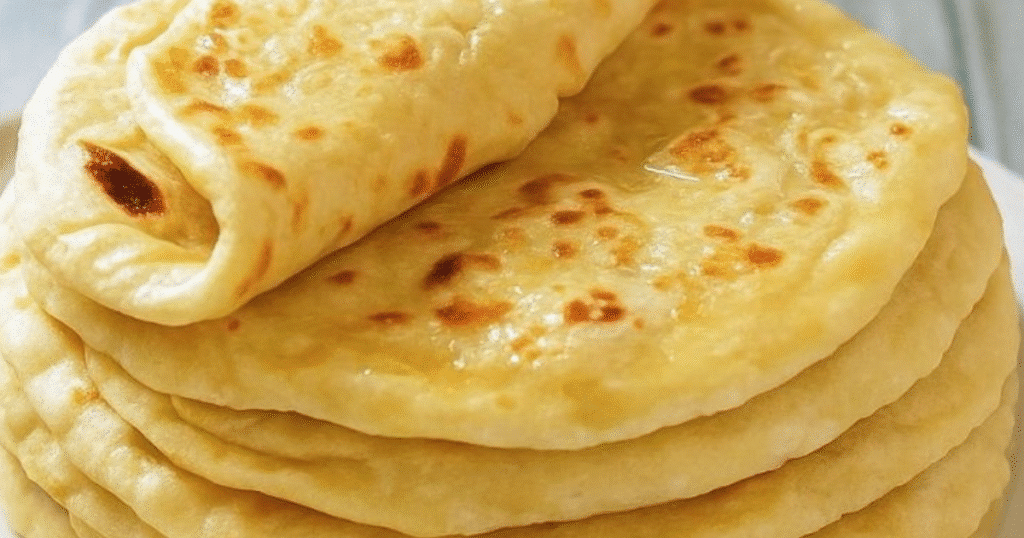
If you are looking for a Turkish bread recipe that is soft, fluffy, and genuinely easy to make at home, you are in the right place. This is the kind of bread that feels comforting the moment it comes off the pan, warm and slightly chewy, with just enough structure to scoop up dips or wrap around fillings. Many people assume homemade Turkish bread is complicated or requires special equipment. Honestly, that belief stops a lot of good bread from ever being made.
This homemade Turkish bread recipe is designed for real home cooks. No bakery tricks, no intimidating techniques, and no fancy ingredients. Just a reliable method that gives you soft Turkish flatbread every time, even if you have never worked with yeast before. By the end, you will have bread that tastes authentic, feels satisfying to make, and fits easily into everyday meals.
Easy Soft Turkish Bread

Ingredients
Dough
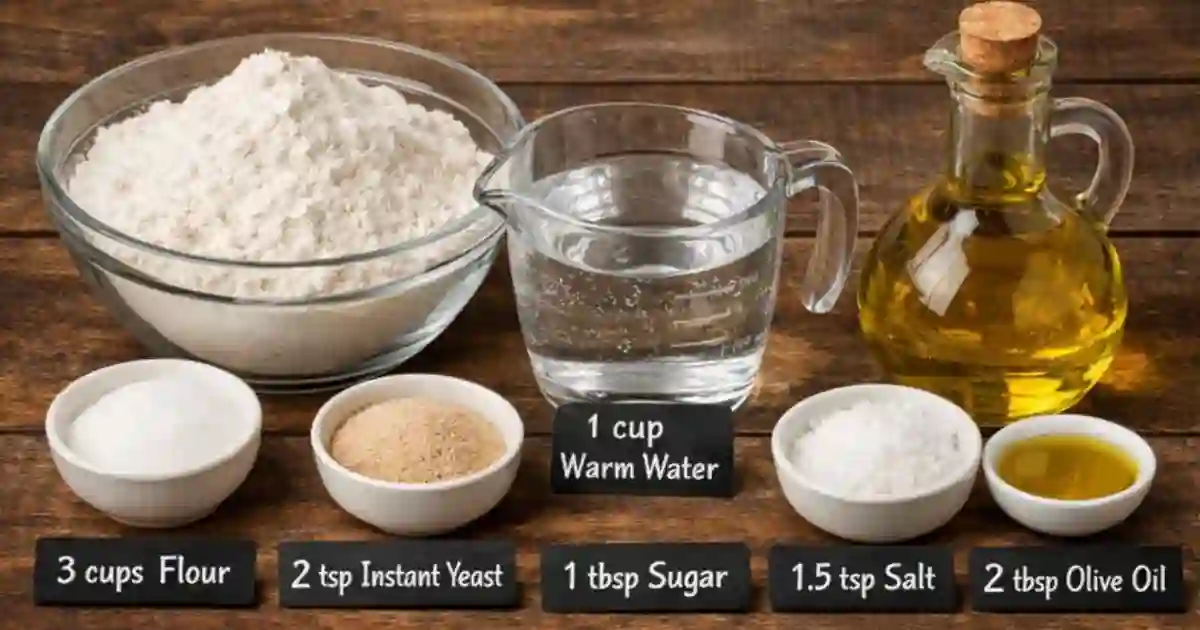
- 3 cups all-purpose flour
- 1 cup warm water not hot
- 2 tsp instant yeast
- 1 tbsp sugar
- 1.5 tsp salt
- 2 tbsp olive oil
Instructions
- In a mixing bowl, combine the warm water, sugar, and instant yeast. Let sit for about 5 minutes until slightly foamy.
- Add the flour, salt, and olive oil to the yeast mixture. Mix until a soft dough forms.
- Knead the dough for 8–10 minutes until smooth and elastic. Cover and let rise for about 1 hour, or until doubled in size.
- Divide the dough into equal portions and roll each into a ball. Flatten gently into round discs.
- Heat a non stick pan over medium heat. Cook each bread for 2–3 minutes per side until golden spots appear and the bread puffs slightly.
- Remove from the pan and cover with a clean kitchen towel. Repeat with remaining dough and serve warm.
Notes
Table of Contents
Table of Contents
Why You’ll Love This Recipe
- Quick and easy: From mixing to cooking, this Turkish bread recipe fits comfortably into a busy day without feeling rushed.
- Simple ingredients: Everything comes from a basic pantry, yet the result tastes bakery worthy.
- Soft and satisfying: The bread stays tender inside with just enough structure to hold dips and fillings.
- Perfect for sharing: It works for family dinners, casual gatherings, or when you want to impress guests without stress.
- Reliable results: The method is forgiving, so even first time bread makers get great texture and flavor.
What truly sets this version apart is the balance between ease and authenticity. You get comforting, freshly cooked bread that feels special, not complicated.
What Is Turkish Bread?
Turkish bread refers to a variety of traditional breads enjoyed across Turkey, often served fresh with meals rather than treated as a side. In homes and bakeries, bread is not optional. It is central. This specific Turkish bread recipe focuses on a soft, pan cooked flatbread similar to pide but simpler and more adaptable for home kitchens.
What makes Turkish bread special is its texture. It is softer than naan, thicker than pita, and more flexible than many Middle Eastern flatbreads. It does not rely on a pocket forming, and instead stays tender throughout, making it perfect for dipping, wrapping, or tearing by hand. In Turkey, bread like this is commonly served with breakfast spreads, soups, grilled meats, or vegetables cooked in olive oil.
For home cooks, the appeal is practicality. Turkish bread dough is forgiving, does not require long fermentation, and works well on a stovetop. That combination makes it ideal for anyone wanting authentic flavor without the pressure of traditional bread baking.
Ingredients Needed
This Turkish bread recipe uses simple pantry ingredients, but each one plays a specific role in creating the final texture.
- All purpose flour: Provides structure while keeping the bread soft
- Warm water: Activates the yeast and hydrates the dough
- Instant yeast: Helps the bread rise quickly and evenly
- Sugar: Feeds the yeast and adds subtle balance
- Salt: Enhances flavor and strengthens the dough
- Olive oil: Adds softness and a light richness
You can substitute part of the flour with bread flour if you want slightly more chew, but all purpose flour works perfectly for a classic homemade Turkish bread. Olive oil is traditional, but a neutral oil can be used if needed.
How to Make Turkish Bread Step by Step
Start by mixing the warm water, sugar, and yeast in a bowl. Let it sit for about five minutes until it becomes slightly foamy. This step reassures you that the yeast is active, which is especially helpful if you are new to bread making.
Add the flour, salt, and olive oil to the yeast mixture and mix until a soft dough forms. The dough should feel slightly tacky but not sticky. Knead it for about eight to ten minutes until smooth and elastic. Cover the dough and let it rest for one hour, or until doubled in size.
Once risen, divide the dough into equal portions and roll each one into a ball. Flatten gently with your hands or a rolling pin. Heat a non stick pan over medium heat and cook each bread for about two to three minutes per side until golden spots appear and the bread puffs slightly. Cover cooked breads with a clean towel to keep them soft.
Tips for Soft and Fluffy Turkish Bread
Getting soft Turkish bread is more about feel than perfection. If the dough feels too stiff, add a tablespoon of water. If it sticks too much, dust lightly with flour. Avoid adding too much extra flour, as that can make the bread dense.
Heat control matters. If the pan is too hot, the bread will brown before cooking through. Medium heat allows even cooking and better texture. Covering the bread with a lid for part of the cooking time can also help trap steam and improve softness.
Let the bread rest briefly after cooking. This step allows moisture to redistribute, which keeps the bread tender instead of dry.
Turkish Bread vs Pita: What Is the Difference?
Although Turkish bread and pita are often compared, they serve different purposes. Pita is designed to puff dramatically and form a pocket, which makes it ideal for stuffing. Turkish bread focuses more on softness and flexibility rather than pocket formation.
Turkish bread is usually thicker and richer due to the use of olive oil. It also stays softer longer, which makes it better for dipping into sauces or serving alongside meals. If you want bread that feels hearty yet tender, Turkish bread is the better choice.
Serving Suggestions
This Turkish bread recipe works beautifully with both traditional and modern meals.
- Serve with hummus, yogurt dips, or olive oil
- Use as a wrap for grilled chicken or vegetables
- Pair with soups, stews, or lentil dishes
- Enjoy warm with butter and honey for breakfast
Because the bread is neutral and soft, it adapts easily to whatever you are cooking that day.
Storage, Freezing, and Reheating
Store leftover Turkish bread in an airtight container at room temperature for up to two days. For longer storage, freeze the bread in a sealed bag for up to two months.
To reheat, warm the bread in a dry pan or wrap it in foil and heat gently in the oven. Avoid microwaving for too long, as it can make the bread tough.
Frequently Asked Questions
Can I make Turkish bread without yeast?
Yes, but the texture will change. Yeast gives Turkish bread its softness and light structure. A yeast free version will be denser and more similar to flatbread.
Can I cook Turkish bread without an oven?
Yes. This Turkish bread recipe is designed specifically for stovetop cooking, which makes it accessible for any kitchen.
Why is my Turkish bread not puffing?
This usually happens if the pan is too cool or the dough was rolled too thin. A properly heated pan helps create steam inside the bread.
Can I prepare the dough ahead of time?
Yes. You can refrigerate the dough after the first rise for up to 24 hours. Let it come to room temperature before cooking.
What is the unhealthiest type of bread?
The unhealthiest bread is generally ultra processed white bread, especially varieties made with:
Refined white flour
Added sugars like high fructose corn syrup
Hydrogenated oils or shortening
Artificial preservatives and dough conditioners
Why it is unhealthy:
Very low in fiber and nutrients
Causes rapid blood sugar spikes
Poor satiety so you get hungry again quickly
Often linked to weight gain and insulin resistance
Examples include cheap packaged white sandwich bread and sweetened bakery loaves.
Healthier alternatives are whole grain, sprouted grain, or sourdough bread with minimal ingredients.
Which is the number one food cuisine in the world?
There is no official number one cuisine, but based on global popularity, influence, and demand, Italian cuisine is most often ranked at the top.
Reasons Italian cuisine is considered number one:
Loved worldwide and available almost everywhere
Simple ingredients with deep flavor
Iconic dishes like pizza, pasta, risotto, and gelato
Strong balance of comfort, tradition, and quality
That said, French, Japanese, Mexican, Indian, and Chinese cuisines are also frequently ranked among the best, depending on the criteria used.
What is the tastiest food in the world?
This is highly subjective, but surveys, food polls, and global popularity often point to pizza as the tastiest food in the world.
Why pizza ranks so high:
Perfect balance of fat, carbs, salt, and umami
Endless variations to suit any taste
Comfort food with emotional appeal
Loved across cultures and age groups
Other foods commonly named as the tastiest include:
Sushi
Burgers
Tacos
Butter chicken
Chocolate
Taste depends heavily on culture, memories, and personal preference, not just flavor.
Nutrition Information
Approximate per serving:
- Calories: 210
- Carbohydrates: 38g
- Protein: 6g
- Fat: 4g
Values may vary depending on ingredients used.
Helpful Notes
- If your kitchen is cool, let the dough rise slightly longer for better softness.
- Lightly covering the pan while cooking traps steam and helps the bread stay fluffy.
- For variation, brush the cooked bread with olive oil and sprinkle sesame or nigella seeds on top.
- This bread tastes best the day it is made, but reheats well in a dry pan for a few seconds per side.
Conclusion
This Turkish bread recipe proves that authentic, soft bread does not have to be complicated or intimidating. With simple ingredients and a straightforward method, you can create homemade Turkish bread that feels comforting, versatile, and deeply satisfying. Whether you serve it with dinner, use it for wraps, or enjoy it fresh from the pan, this bread fits naturally into everyday cooking.
If you try this recipe, save it, share it, and make it part of your regular rotation. Fresh bread has a way of turning ordinary meals into something memorable.
For delicious and easy recipes, follow me on my Facebook and Pinterest
