

If you have ever searched for a croissant recipe, chances are you paused for a second and thought, “Is this really something I can pull off at home?” That hesitation is normal. Croissants have a reputation for being fussy, technical, and unforgiving. But here is the honest truth. They are not difficult because they are complicated. They are difficult because they demand patience. And patience, thankfully, is something you can practice.
This guide will walk you through how to make homemade croissants step by step, with clear explanations, realistic expectations, and practical cues that help you know when things are actually going right. Not perfect. Just right enough to get flaky layers, deep buttery flavor, and that quiet pride when you pull them out of the oven.

Classic Homemade Croissant Recipe

Ingredients
Croissant Dough
- 4 cups all-purpose flour
- 1 cup warm milk about 38°C / 100°F
- 0.25 cup granulated sugar
- 2.25 teaspoons instant yeast or active dry yeast
- 2 teaspoons salt
- 2 tablespoons unsalted butter softened, for dough
Butter Block (Beurrage)
- 1.5 cups unsalted butter cold but pliable
Egg Wash
- 1 egg
- 1 tablespoon milk or water
Notes
Table of Contents
Table of Contents
Why You’ll Love croissant recipe
- Produces deeply flaky, buttery croissants with visible layers
- Uses simple, classic ingredients with no shortcuts or gimmicks
- Perfect for weekend baking, brunch spreads, or special mornings
- Delivers bakery-style results without professional equipment
- Impressive enough for guests, yet deeply satisfying to make for yourself
What sets this croissant recipe apart is its balance of structure and flexibility. Instead of rushing the process, it teaches you what the dough should feel and look like, which builds confidence. There is a real sense of comfort in watching the layers rise in the oven, and even more satisfaction when that first crisp bite proves the effort was worth it.
What Makes a Perfect Croissant?
A perfect croissant is not just about looks. Yes, the crescent shape matters. Yes, the golden color matters. But what really defines a great French croissant recipe is the interior. You want distinct layers that pull apart easily, a honeycomb crumb structure, and a rich aroma that smells unmistakably like butter.
At its core, a croissant is made from laminated dough. That means layers of dough and butter are folded repeatedly so they bake into thin, crisp sheets. When done correctly, the butter melts in the oven and releases steam, pushing the dough layers apart. That is where flakiness comes from.
Featured snippet style answer:
A croissant is a buttery, flaky pastry made from laminated dough, where layers of butter are folded into yeast dough and baked to create light, airy layers.
The quality of your butter, the temperature of your dough, and how gently you handle it all matter more than speed or strength.
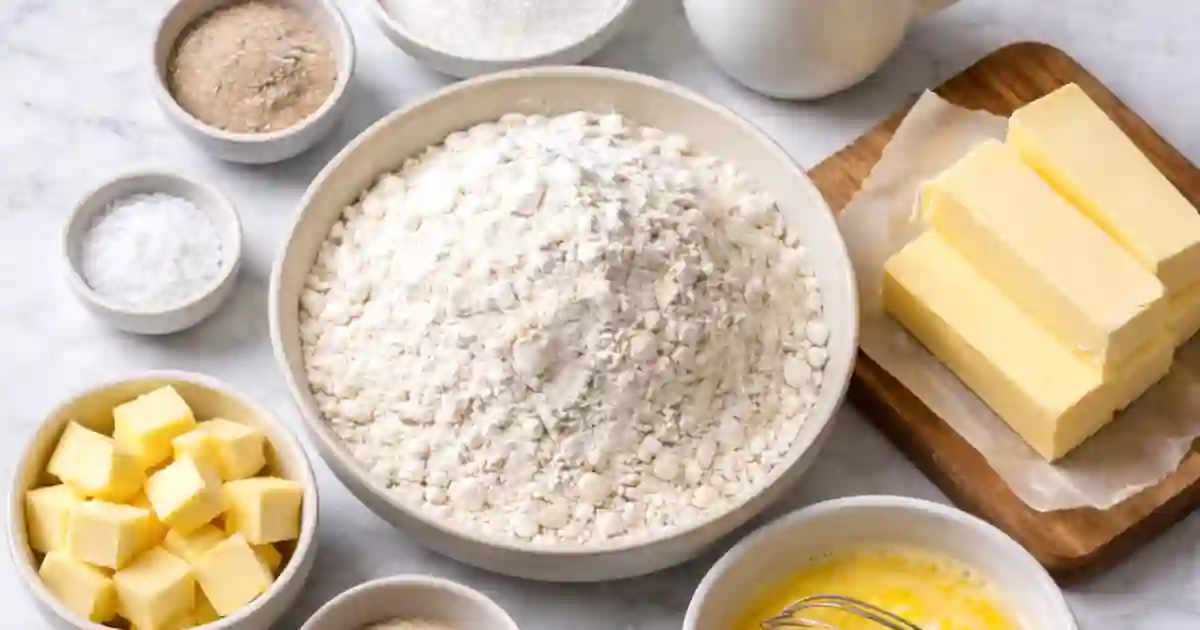
Ingredients for Homemade Croissants
The ingredient list for this croissant recipe is short, which is both good and dangerous. There is nowhere to hide.
Croissant Dough Ingredients
- All-purpose flour or bread flour
- Warm milk
- Granulated sugar
- Instant or active dry yeast
- Salt
- Unsalted butter (small amount for the dough)
Butter Block (Beurrage)
- High-quality unsalted butter
Egg Wash
- One egg
- A splash of milk or water
Butter quality matters more here than in almost any other recipe. If you can find European-style butter with higher fat content, use it. It rolls more smoothly and creates better layers. That said, many people succeed with standard butter too, as long as it is cold but pliable.
Croissant Dough and Lamination Process
This is the heart of any homemade croissant recipe, and also the part that intimidates most people. Take a breath. Nothing here needs brute force.
Mixing and Resting the Dough
You begin by mixing the dough ingredients until they come together into a soft, slightly tacky dough. It should feel smooth but not elastic like pizza dough. After kneading briefly, the dough needs time to rest and chill. This rest relaxes the gluten and makes rolling possible later.
If the dough fights back while rolling, that is your signal to stop and chill it again. Forcing it is how layers tear.
Preparing the Butter Block
The butter should be cold but flexible. If it cracks when you bend it, it is too cold. If it feels greasy or soft, it is too warm. The goal is a flat square of butter that bends without breaking.
This step feels oddly specific because it is. Butter temperature controls everything that follows.
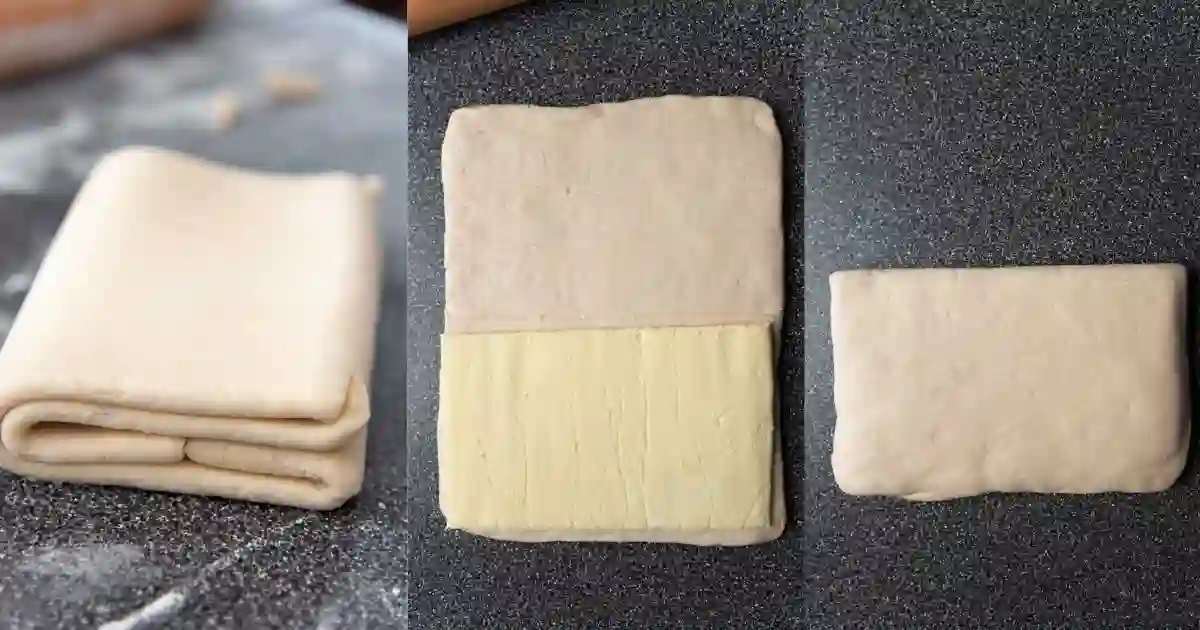
Lamination and Folding
Lamination involves enclosing the butter inside the dough and rolling it out, then folding it in thirds. This process is repeated with chilling in between.
As you roll, look for faint lines under the surface of the dough. Those are the butter layers. That is a good sign. If butter starts leaking, dust lightly with flour, wrap the dough, and chill before continuing.
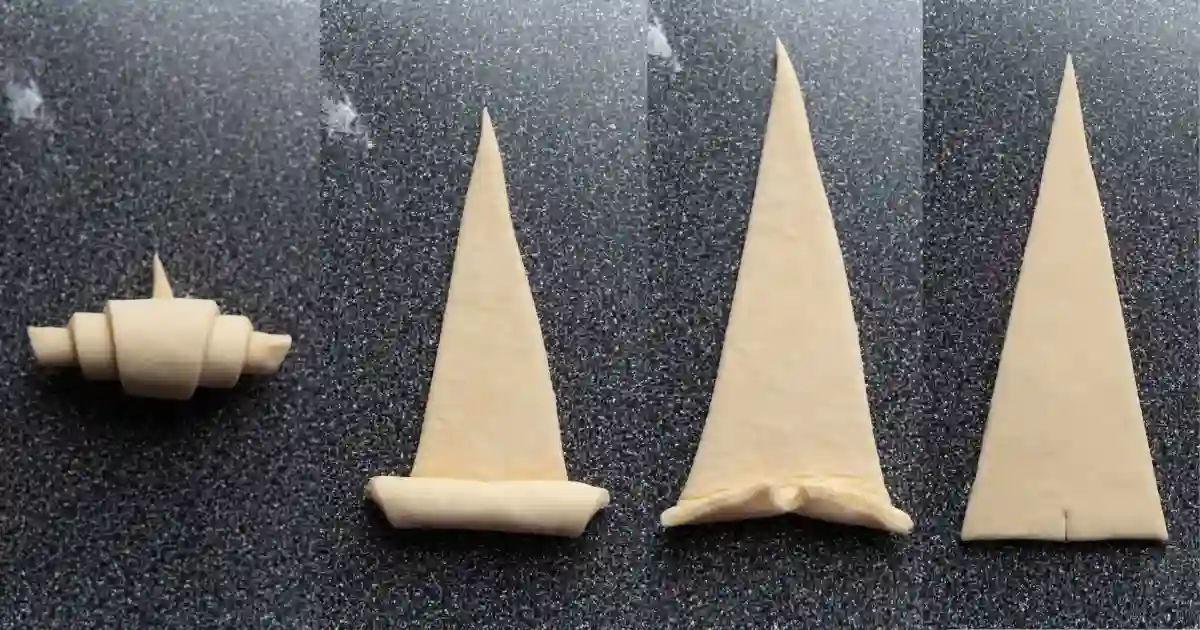
Shaping and Proofing Croissants
Once the dough is laminated, it is rolled into a large rectangle and cut into long triangles. Rolling each triangle gently from base to tip creates the classic croissant shape.
Do not pull or stretch aggressively. Tension here leads to uneven rising.
Proofing is where many first-time bakers get nervous. Croissants should look puffy and slightly jiggly when you gently shake the tray. They will not double in size dramatically. That is normal.
If butter starts to melt during proofing, the room is too warm. Move them to a cooler space and give them more time.
Baking Croissants for Maximum Flakiness
Before baking, brush the croissants lightly with egg wash. You want shine, not puddles.
Bake in a fully preheated oven. The initial heat is what creates steam and lifts the layers. Halfway through baking, rotate the tray if your oven has hot spots.
You will know they are done when they are deeply golden and smell intensely buttery. Pale croissants are usually underbaked inside, even if they feel crisp.
Common Croissant Problems and How to Fix Them
Even a well-followed croissant recipe can go sideways. Here are the most common issues and what they usually mean.
- Butter leaking out: Dough or butter was too warm
- Dense interior: Underproofed or butter layers merged
- Croissants spread instead of rising: Butter melted before baking
- Dough tearing: Gluten too tight or insufficient resting time
None of these mean failure forever. They mean information for next time.
Croissant Variations and Make-Ahead Tips
Once you master the base croissant dough, variations become easy.
- Chocolate croissants: Add batons or chocolate chips before rolling
- Almond croissants: Fill baked croissants with almond cream and rebake
- Savory croissants: Add ham and cheese sparingly
Croissants freeze beautifully after shaping. Freeze them solid, then bake straight from frozen after proofing overnight in the refrigerator.
Serving and Storage Tips
For serving, croissants are best enjoyed slightly warm. Let them cool for about ten minutes after baking, then arrange them on a wooden board or linen-lined basket for a simple, elegant presentation. They pair beautifully with jam, honey, soft cheeses, or a strong cup of coffee.
To store, keep leftover croissants in an airtight container at room temperature for up to one day. For longer storage, freeze them once fully cooled. Reheat frozen croissants in a 175°C oven for 8 to 10 minutes until warmed through and crisp again. Avoid the microwave, as it softens the layers.
Helpful Notes
- If your kitchen runs warm, chill the dough more often than you think you need to
- Lightly flour your surface, but avoid excess flour which can seal the layers
- For extra shine, strain the egg wash before brushing
- Chocolate, almond paste, or savory fillings can be added during shaping
- Croissant dough improves with patience, so do not rush resting times
Small adjustments make a big difference with croissants. Paying attention to temperature, texture, and timing will steadily improve your results with every batch.
Nutrition Information (Estimated)
The nutrition values below are an estimate for one homemade croissant, based on standard ingredients and average portion size. Exact values may vary depending on butter brand, flour type, and filling variations.
- Calories: 260 to 300 kcal
- Carbohydrates: 28 to 32 g
- Protein: 5 to 6 g
- Fat: 15 to 18 g
- Saturated Fat: 9 to 11 g
- Cholesterol: 45 to 55 mg
- Sodium: 300 to 350 mg
- Sugar: 4 to 6 g
- Fiber: 1 to 2 g
Croissants are a rich, indulgent pastry, best enjoyed in moderation. Pairing them with protein-rich foods like eggs, yogurt, or nut butter can help create a more balanced meal and keep you feeling satisfied longer.
Conclusion: Is Making Croissants at Home Worth It?
Making croissants at home takes time. There is no way around that. But time is not the same as difficulty. This croissant recipe rewards attention, not perfection.
Your first batch might not look like a Paris bakery display. That is fine. What matters is learning how the dough feels, how the butter behaves, and how the oven responds. Each batch teaches you something new.
If you have ever wanted to truly understand baking, croissants are one of the most satisfying teachers you can choose.
Frequently Asked Questions (FAQ)
How many folds do croissants need?
Most classic croissant doughs use three single folds. That creates dozens of thin layers without overworking the dough.
Why are my croissants not flaky?
Flakiness depends on distinct butter layers. If the butter melts into the dough before baking, the layers disappear.
Why don’t my homemade croissants have any layers?
Croissant layers disappear when the butter blends into the dough instead of staying in thin sheets. This usually happens if the butter becomes too warm during lamination or if the dough is rolled too aggressively. Another common cause is skipping rest time. The dough needs chilling between folds so the gluten relaxes and the butter stays firm. Without proper temperature control, the layers merge and bake like regular bread instead of flaky pastry.
Why is my butter coming through the croissant dough?
Butter leaking through the dough means the butter is either too cold or too warm. If it is too cold, it cracks and breaks through the dough. If it is too warm, it melts and seeps out. The dough itself can also be too thin or overworked. The goal is for the butter and dough to have a similar firmness so they stretch together without tearing.
Why does my croissant not have a honeycomb structure inside?
A honeycomb crumb comes from proper proofing and strong steam expansion in the oven. If croissants are underproofed, the interior stays tight and bready. If overproofed, the structure collapses. Baking temperature also matters. An oven that is not hot enough will not create enough steam to push the layers apart, resulting in a dense interior.
Why is there a pool of butter under my croissants?
A pool of butter usually means the butter melted out before the dough structure set. This happens when croissants are proofed in a space that is too warm or baked at too low of a temperature. The butter escapes instead of lifting the layers. Make sure croissants feel cool to the touch before baking and that the oven is fully preheated to lock in the layers quickly.
For delicious and easy recipes, follow me on my Facebook and Pinterest
